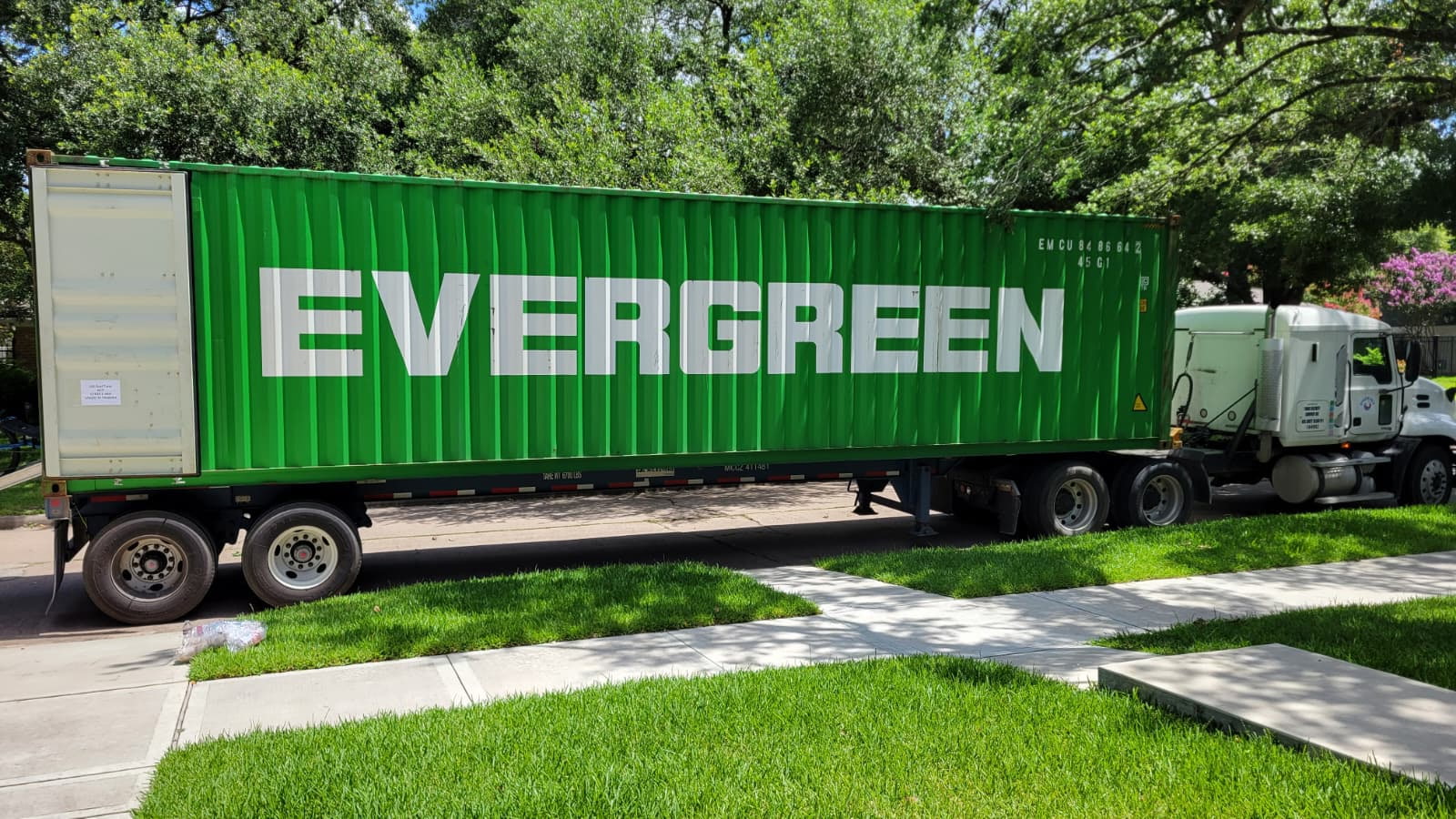
Poland → Glasgow removals
Arriving into Glasgow via Greenock / Grangemouth · 4–7 day transit · post-Brexit UK customs and ToR relief handled in-house.
Reviewed by Dimond Movers international ops
Shared-load international removals are priced individually. Rates depend on route, total volume, collection and delivery location, access, dates and available space on scheduled vehicles. Lower per-m³ rates may be available on selected routes when we already have compatible space available. Minimum charges apply. Minimum charges apply. Final pricing depends on route, collection/delivery location, volume, access, dates and vehicle availability.
How Poland loads clear into Glasgow
Poland → Glasgow consignments enter the UK via Greenock / Grangemouth and clear customs there before onward delivery. Tenement close-access common — measure stairwells. LEZ active in city centre.
Port routing depends on carrier schedule and time of year — the exact port is confirmed on quote.
What to expect on a Poland → Glasgow move
Your household goods leave Poland in a consolidated lorry via multiple road stages and a Channel ferry crossing, clearing UK customs at Greenock / Grangemouth before onward delivery into Glasgow. Tenement close-access common — measure stairwells. LEZ active in city centre. Post-Brexit, all inbound moves need a UK Transfer of Residence (ToR1) application submitted before goods arrive.
Currency is Polish złoty (PLN); customs valuations are commonly filed in EUR and converted on the day. Many Polish–UK families move on the twice-yearly diaspora groupage schedules (pre-Christmas and pre-summer) which are cheaper per m³ than on-demand shared loads.
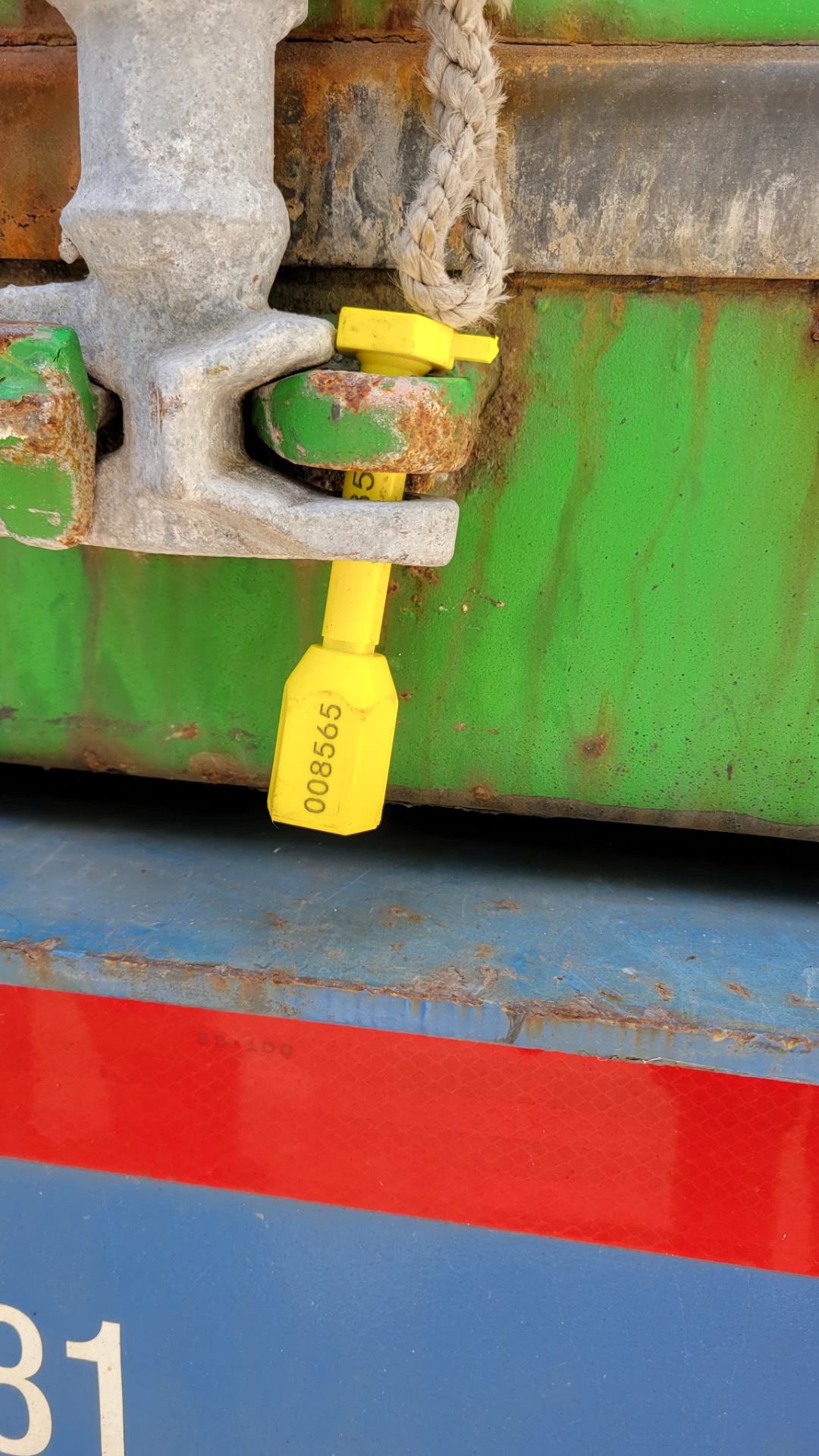
Every Poland consignment is sealed, numbered and photographed
Once your container is loaded, our partner crew fastens a numbered plastic customs seal, photographs it, and logs the seal number on your inventory. Customs officers at the UK port verify the same number on arrival — proof your load has been undisturbed door-to-door.
Customs guidance for Poland
Poland is EU + Schengen, so post-Brexit UK exports need a T1 transit document and a Polish import declaration at the entry point (Świnoujście for most shared loads, Warsaw or Poznań inland customs for dedicated vans). Zwolnienie z cła (customs exemption) applies to household effects owned for 6+ months by someone becoming a Polish resident — apply through KAS (Krajowa Administracja Skarbowa) on the SAD form. Import VAT is 23% if the exemption is refused. Filing values in GBP causes automatic rejection — most movers file in EUR and let KAS convert at the National Bank's daily rate. Expect 2–3 working days clearance with clean paperwork.
Documentation checklist
- Valued inventory in EUR (or PLN), with 6-month ownership proof per line
- Copy of passport + Polish residence card (Karta Pobytu) or work permit (Zezwolenie na pracę)
- Signed Polish rental contract (umowa najmu) or property deed (akt notarialny)
- PESEL number confirmation (needed for utilities and banking, not customs directly)
- SAD customs form (typically completed by the mover on your behalf)
Road access & port routing in Poland
The A2 (east-west) and A1 (north-south) motorways give straightforward corridor access from Świnoujście and Gdańsk down to Warsaw, Kraków, Wrocław and Poznań. Warsaw's Strefa Ograniczonego Ruchu (limited-traffic zone) covers the old town — pozwolenie na wjazd (entry permit) must be booked 5–7 days ahead. Kraków's Kazimierz and Stare Miasto are UNESCO-protected; vehicles over 3.5t need a Straż Miejska permit, so shuttle vans are the default. Wrocław, Poznań and Gdańsk centres accept Luton vans without special permits.
Low-emission zones on this route
Kraków opened Poland's first Clean Transport Zone (SCT) in 2024 covering the city centre — pre-2010 diesel vans are banned during daytime hours. Warsaw's SCT is scheduled for 2027. Vetted Poland partners run Euro 5+ compliant fleet as standard; non-compliant vehicles face 500 PLN (≈£100) per breach.
Delivery access — what to expect
Polish apartment blocks (bloki) are typically 4–10 storeys with narrow stair cores and 400kg lifts — measure larger furniture before shipping. Warsaw Mokotów and Wrocław Krzyki are the two commonest UK-return relocation destinations. Kraków old-town deliveries need shuttle vans from a Kazimierz-side transfer point (add 2–3 hours and £120–£220). Rural addresses in Podkarpacie, Warmia and Mazury need advance access reconnaissance — partner-network track record matters.
Business relocations to Poland
Warsaw and Wrocław run thriving shared-service and IT-outsourcing hubs (Mokotów, Wola, Wrocław Business Park) with a steady UK ↔ Poland corporate flow. Business moves use dedicated 40m³ curtainsiders with IT-crate segregation and Polish-language on-site coordination. Kraków's Zabłocie tech scene generates smaller professional relocations. The regular twice-yearly Polish-diaspora shared loads (pre-Christmas, pre-summer) are a distinct market — cheaper per m³ but tied to fixed departure dates.
Enterprise or office-move quote? Note it on the international quote form and we'll match specialist B2B partners.
Included with every Poland move
Popular Poland cities on this route
Serving all Poland cities and rural addresses. Enter your address on the quote form and we'll match partners covering that exact route.
FAQs
How do the twice-yearly Polish-UK diaspora shared loads work?
Several Poland-focused UK removals firms run consolidated 40m³ groupage on fixed schedules — typically pre-Christmas (mid-November) and pre-summer (late May). Per-m³ pricing is 20–30% cheaper than an on-demand shared load, but you commit to a fixed departure and delivery week. Best-suited to 5–15m³ households.
Which Polish port do UK household loads clear through?
Most UK → Poland shared loads route via Świnoujście or Gdańsk after a North Sea crossing (Immingham → Rotterdam → E30 road corridor, or Harwich → Hoek van Holland → onward road). Dedicated vans clear at inland customs offices in Warsaw, Poznań or Wrocław depending on destination.
Is Polish import VAT charged on my personal furniture?
Not if your customs exemption (zwolnienie z cła) is approved. You must have owned the goods 6+ months and be moving your primary residence to Poland. Without the exemption, expect 23% import VAT on the declared value — the commonest source of unexpected cost on this route.
How does the PLN currency affect the customs valuation?
KAS accepts inventory values in EUR or PLN. Most UK movers file in EUR and let Polish customs convert on the day at the National Bank's published rate. Filing in GBP causes automatic rejection — always convert before submitting.
Can I move to Kraków's Old Town with a UK 7.5t lorry?
No — Kraków's UNESCO-protected Stare Miasto restricts vehicles over 3.5t. Old Town deliveries need a shuttle-van transfer from a Kazimierz-side depot; add 2–3 hours and £120–£220 to a shared-load quote. Vetted Poland partners handle this transfer in-house.
Which UK port do Poland → Glasgow loads clear through?
Most Glasgow ↔ Poland household moves route via Greenock / Grangemouth. Tenement close-access common — measure stairwells. LEZ active in city centre.
How much does it cost to move from Poland to Glasgow?
Shared-load international removals are priced individually. Rates depend on route, total volume, collection and delivery location, access, dates and available space on scheduled vehicles. Lower per-m³ rates may be available on selected routes when we already have compatible space available. Minimum charges apply. Typical shared-load rates may range from around £180–£350+ per m³ depending on the move, with minimum collection and delivery charges applying. Small loads usually cost substantially more per cubic metre, because fixed collection and delivery costs are spread across fewer cubic metres. A dedicated 20m³ van for a one-to-two bedroom household is typically around £2,400, and customs and export packing are usually £150–£450 extra.
How long does the Poland to Glasgow transit take?
Transit is typically 4–7 working days once the vehicle leaves the origin. Add 1–5 working days for customs clearance at the UK port.
Do I need customs paperwork for Poland?
Yes. Post-Brexit, every UK ↔ Poland household move is a customs export. You'll need a valued inventory, ID, address proof at destination, and ideally a Transfer of Residence (ToR) application to avoid import VAT.
What's the cheapest way to move on this route?
Shared loads consolidated with other Poland-bound households are usually the cheapest option — indicatively £180–£350+ per m³, priced individually per move. Small loads usually cost substantially more per cubic metre, because fixed collection and delivery costs are spread across fewer cubic metres. Book 6–8 weeks ahead and avoid the June–September peak to save 15–25%.
Do I drive on the right in Poland?
Poland drives on the right. Removal crews plan loading logistics accordingly — worth flagging if your origin street has narrow access.
Guides that apply to this route
Other UK cities receiving loads from Poland
Other international destinations
See all destinations on the international removals hub.