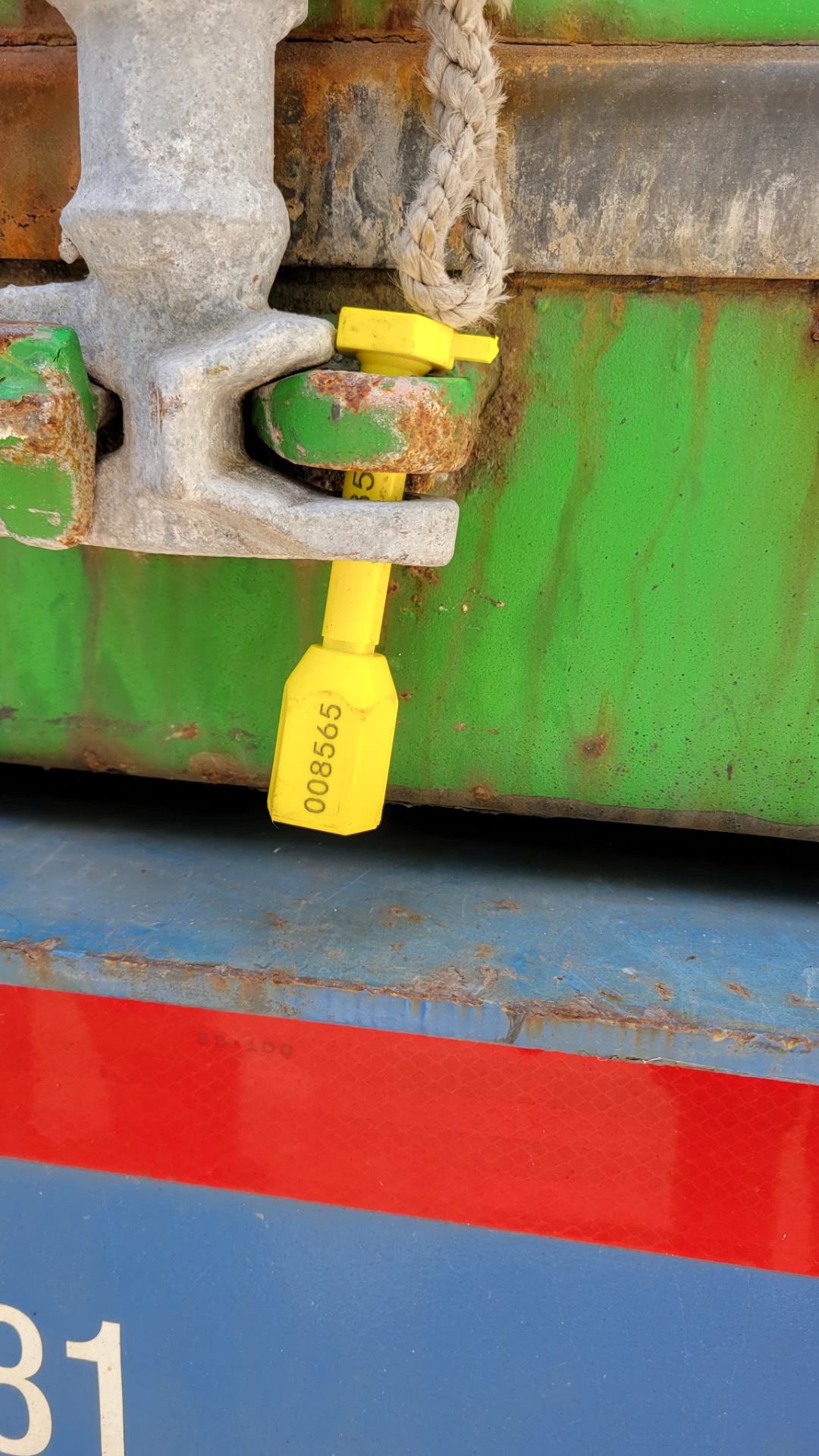
International customs clearance for household moves
Customs clearance is the single biggest source of delay and unexpected cost in international moves. Getting it right means preparing three documents in advance and choosing a mover that handles clearance in-house.
The three documents you need
Every household customs entry needs: a valued inventory (contents + estimated value in destination currency), a copy of your passport and visa / residence proof, and proof of address at destination (rental contract or property deeds).
- Inventory: room-by-room, one line per box, with values
- ID: passport bio page + visa / residence card
- Address proof: signed contract, dated within 3 months
Shared vs dedicated load: customs implications
Dedicated loads clear as a single consignment for one household — fast and simple. Shared loads are consolidated with other households and clear together. If ANY co-load has missing paperwork, YOUR goods wait too.
Prohibited & restricted items
Every country has its own list. Common EU restrictions: firearms (need permits), plants and soil, ivory, alcohol above personal-use limits, and lithium batteries above certain sizes. When in doubt, declare it.
How long does clearance take?
EU: 1–5 working days with clean paperwork. Non-EU (Switzerland, Norway, US, Canada, Australia): 5–14 working days. Add 3–5 days for peak-season backlogs.
FAQs
Do I need a customs broker myself?
Not if your mover handles clearance in-house — check the partner offers customs_clearance. If they don't, you'll need to appoint your own broker at the destination port.
What if customs asks to inspect my goods?
Physical inspection happens on about 5% of household moves. Your mover attends on your behalf. Expect a 1–3 day delay and £150–£400 in inspection fees.
Can I claim back UK VAT on items I'm exporting?
Only on items bought new in the 3 months before departure, and only if you export within 3 months of purchase. Keep receipts.