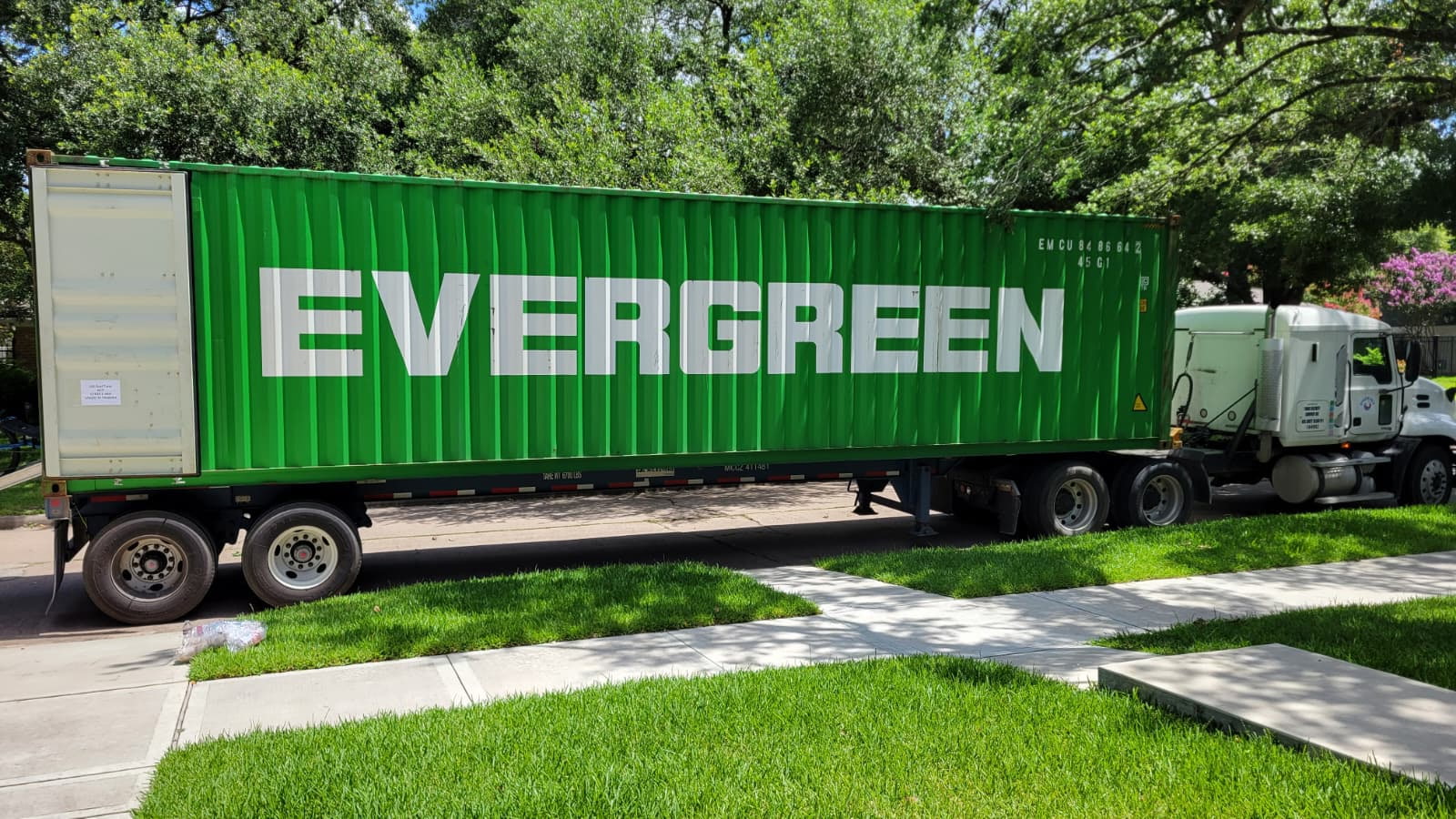
Ireland → Bristol removals
Arriving into Bristol via Southampton / Portbury · 1–3 day transit · post-Brexit UK customs and ToR relief handled in-house.
Reviewed by Dimond Movers international ops
Shared-load international removals are priced individually. Rates depend on route, total volume, collection and delivery location, access, dates and available space on scheduled vehicles. Lower per-m³ rates may be available on selected routes when we already have compatible space available. Minimum charges apply. Minimum charges apply. Final pricing depends on route, collection/delivery location, volume, access, dates and vehicle availability.
How Ireland loads clear into Bristol
Ireland → Bristol consignments enter the UK via Southampton / Portbury and clear customs there before onward delivery. Clean Air Zone active. Clifton and Hotwells have on-street loading restrictions.
Port routing depends on carrier schedule and time of year — the exact port is confirmed on quote.
What to expect on a Ireland → Bristol move
Your household goods leave Ireland in a consolidated lorry on a direct ferry crossing, clearing UK customs at Southampton / Portbury before onward delivery into Bristol. Clean Air Zone active. Clifton and Hotwells have on-street loading restrictions. Post-Brexit, all inbound moves need a UK Transfer of Residence (ToR1) application submitted before goods arrive.
Ferry crossings (Holyhead–Dublin, Fishguard–Rosslare, Pembroke–Rosslare, Cairnryan–Belfast for Northern Ireland) drive scheduling. Post-Brexit customs are lighter than continental EU but still mandatory; the Common Travel Area removes visa requirements for UK nationals.
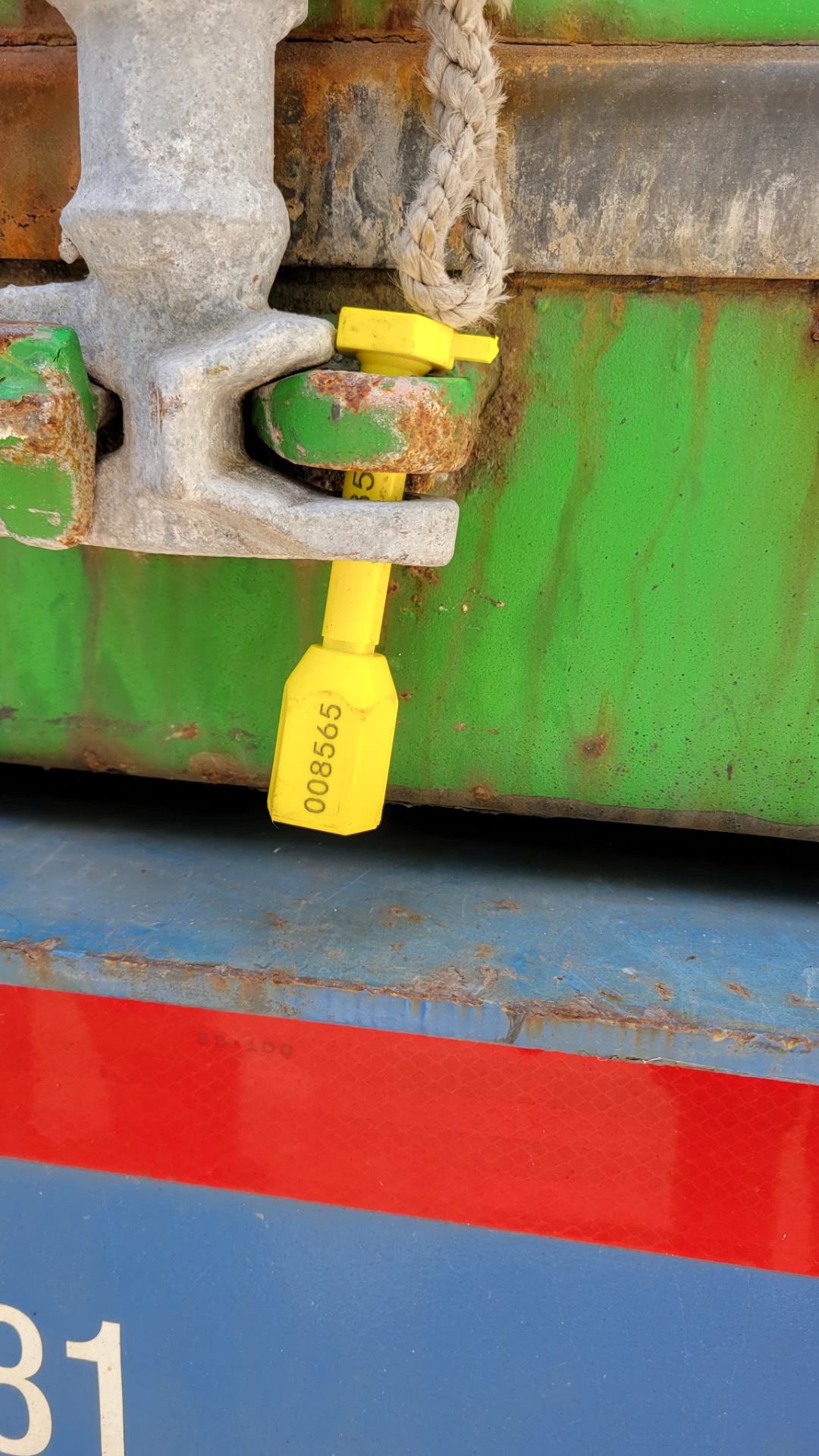
Every Ireland consignment is sealed, numbered and photographed
Once your container is loaded, our partner crew fastens a numbered plastic customs seal, photographs it, and logs the seal number on your inventory. Customs officers at the UK port verify the same number on arrival — proof your load has been undisturbed door-to-door.
Customs guidance for Ireland
Post-Brexit, the Republic of Ireland is a customs border for UK household moves — but the rules are lighter than continental EU. Submit Form C&E 1076 (Transfer of Residence) to Irish Revenue with a valued inventory, proof of 12 months' continuous UK residence, and proof of Irish address. The Common Travel Area removes visa requirements for UK nationals, but customs paperwork remains mandatory. Missing item values are the number-one cause of holds at Rosslare and Dublin Port — Revenue is stricter on inventory detail than French or German customs.
Documentation checklist
- Valued inventory in English with EUR estimates
- Proof of 12 months' continuous UK residence (utility bills, P60, HMRC letter)
- Signed Irish rental contract or property deed
- Form C&E 1076 (Transfer of Residence) submitted to Irish Revenue before goods arrive
- PPS number confirmation (for utility connections; not required by customs directly)
Road access & port routing in Ireland
Dublin's M50 orbital plus the M1/M7/M8 motorway network give quick access to Cork, Limerick, Galway and Belfast. Dublin city centre (inside the canals) has an HGV ban 07:00–19:00 — 3.5t vans only unless you hold an HGV permit. Rural Galway and Kerry deliveries typically need 3.5t Lutons rather than rigid lorries because narrow boreens and stone-wall pinch points defeat 7.5t crews. Northern Ireland deliveries route via Cairnryan–Belfast and stay entirely inside UK customs territory.
Low-emission zones on this route
Dublin has no LEZ today, but a Low Emission Zone covering the city centre (inside the canals) is planned for late 2026. Cork and Galway are unaffected. If you are planning a Dublin-city delivery late 2026 onwards, confirm that any UK partner vehicle will comply.
Delivery access — what to expect
Georgian Dublin (D2, D4, D6) has narrow front doors, tall staircases and few lifts — porter teams are standard, and larger furniture may need external hoisting from the front railings. Cork and Galway deliveries usually have off-street parking. Rural Kerry, West Cork and Donegal often require a 3.5t Luton rather than a 7.5t lorry — confirm vehicle sizing on quote.
Business relocations to Ireland
Ireland's IDA-backed multinational sector (Dublin Docklands, Cherrywood, Sandyford) drives a steady UK → Ireland business flow, especially into tech, pharma and finance. Business moves get dedicated 40m³ or 20ft container transport with segregated IT crating and after-hours access at Grand Canal Dock office buildings. Because Ireland is EUR-zone but English-speaking, no translation support is needed, but customs paperwork must still be filed in Irish Revenue's ROS system.
Enterprise or office-move quote? Note it on the international quote form and we'll match specialist B2B partners.
Included with every Ireland move
Popular Ireland cities on this route
Serving all Ireland cities and rural addresses. Enter your address on the quote form and we'll match partners covering that exact route.
FAQs
Do I need a visa to move from the UK to Ireland?
No. The Common Travel Area lets UK and Irish citizens live, work and study freely in each other's country. Customs paperwork (Transfer of Residence) is still required for household goods, but no visa or residence permit is needed.
Which route is cheaper — Holyhead–Dublin or Cairnryan–Belfast?
Cairnryan–Belfast is cheaper per m³ but only makes sense for Northern Ireland or Ulster-adjacent RoI destinations. Holyhead–Dublin is the workhorse for Dublin, Leinster and Munster. Rosslare via Fishguard or Pembroke serves South-East RoI (Wexford, Waterford). Your mover picks based on origin and destination.
Ireland drives on the left — does that simplify a UK move?
Yes. Both countries drive on the left, so removal crews load with the driver's-side kerb match preserved and no headlight adjustment is required. Access assessments at destination follow the same rules as a UK delivery.
How long does customs take at Dublin Port for a household move?
Typically 24–48 hours with a pre-lodged ToR (C&E 1076) and clean inventory. Missing item values or unclear ownership dates are the two commonest holds — Revenue will not release goods until each line carries an EUR value and a proof-of-ownership date pre-dating your Irish residence.
Is a move to Northern Ireland the same as a move to the Republic?
No. Northern Ireland is UK territory, so GB → NI household moves need no customs paperwork under the Windsor Framework internal-market rules. Republic of Ireland moves are full customs entries.
Which UK port do Ireland → Bristol loads clear through?
Most Bristol ↔ Ireland household moves route via Southampton / Portbury. Clean Air Zone active. Clifton and Hotwells have on-street loading restrictions.
How much does it cost to move from Ireland to Bristol?
Shared-load international removals are priced individually. Rates depend on route, total volume, collection and delivery location, access, dates and available space on scheduled vehicles. Lower per-m³ rates may be available on selected routes when we already have compatible space available. Minimum charges apply. Typical shared-load rates may range from around £180–£350+ per m³ depending on the move, with minimum collection and delivery charges applying. Small loads usually cost substantially more per cubic metre, because fixed collection and delivery costs are spread across fewer cubic metres. A dedicated 20m³ van for a one-to-two bedroom household is typically around £1,900, and customs and export packing are usually £150–£450 extra.
How long does the Ireland to Bristol transit take?
Transit is typically 1–3 working days once the vehicle leaves the origin. Add 1–5 working days for customs clearance at the UK port.
Do I need customs paperwork for Ireland?
Yes. Post-Brexit, every UK ↔ Ireland household move is a customs export. You'll need a valued inventory, ID, address proof at destination, and ideally a Transfer of Residence (ToR) application to avoid import VAT.
What's the cheapest way to move on this route?
Shared loads consolidated with other Ireland-bound households are usually the cheapest option — indicatively £180–£350+ per m³, priced individually per move. Small loads usually cost substantially more per cubic metre, because fixed collection and delivery costs are spread across fewer cubic metres. Book 6–8 weeks ahead and avoid the June–September peak to save 15–25%.
Do I drive on the left in Ireland?
Ireland drives on the left. Removal crews plan loading logistics accordingly — worth flagging if your origin street has narrow access.
Guides that apply to this route
Other UK cities receiving loads from Ireland
Other international destinations
See all destinations on the international removals hub.