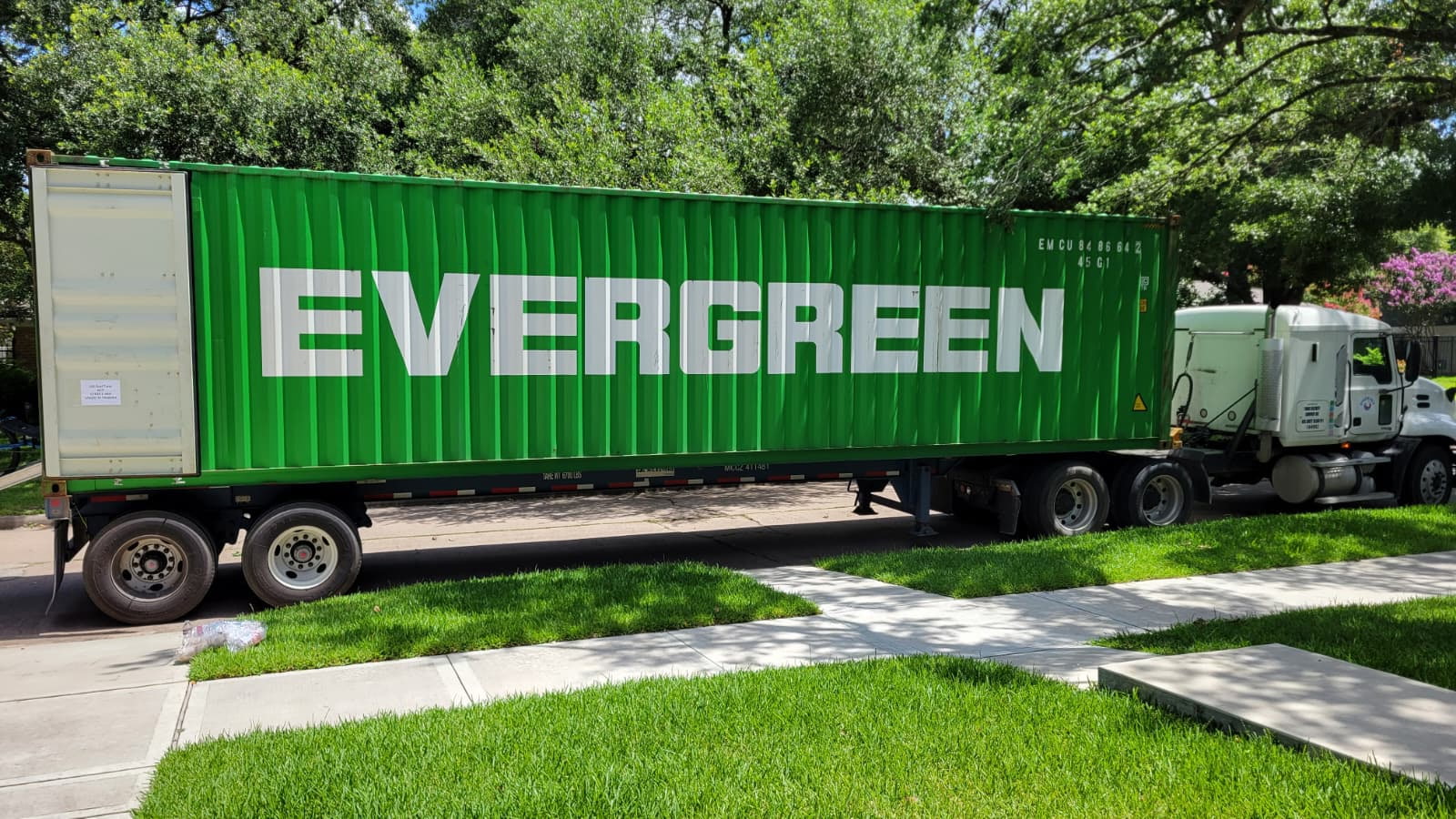
Belgium → London removals
Arriving into London via Dover / Tilbury · 1–3 day transit · post-Brexit UK customs and ToR relief handled in-house.
Reviewed by Dimond Movers international ops
Shared-load international removals are priced individually. Rates depend on route, total volume, collection and delivery location, access, dates and available space on scheduled vehicles. Lower per-m³ rates may be available on selected routes when we already have compatible space available. Minimum charges apply. Minimum charges apply. Final pricing depends on route, collection/delivery location, volume, access, dates and vehicle availability.
How Belgium loads clear into London
Belgium → London consignments enter the UK via Dover / Tilbury and clear customs there before onward delivery. ULEZ-compliant vehicles required inside the North/South Circular. Congestion Charge and low-traffic neighbourhoods may add access constraints.
Port routing depends on carrier schedule and time of year — the exact port is confirmed on quote.
What to expect on a Belgium → London move
Your household goods leave Belgium in a consolidated lorry on a direct ferry crossing, clearing UK customs at Dover / Tilbury before onward delivery into London. ULEZ-compliant vehicles required inside the North/South Circular. Congestion Charge and low-traffic neighbourhoods may add access constraints. Post-Brexit, all inbound moves need a UK Transfer of Residence (ToR1) application submitted before goods arrive.
Reservation card for parking (carte de stationnement / bewonerskaart) is required in Brussels — apply through the commune 10–14 days ahead. Trilingual paperwork (Dutch/French/German) is normal in Brussels; single-language elsewhere.
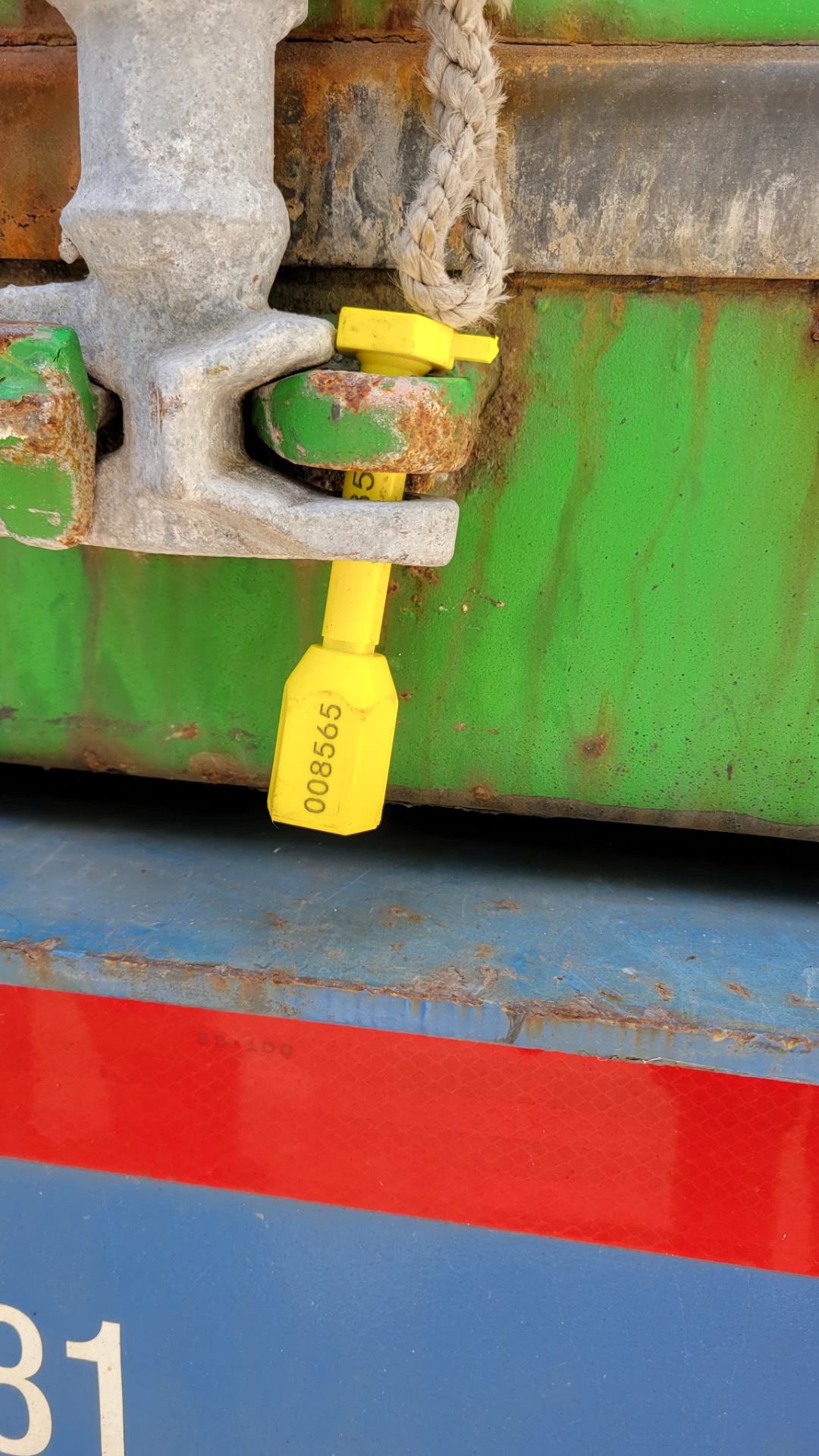
Every Belgium consignment is sealed, numbered and photographed
Once your container is loaded, our partner crew fastens a numbered plastic customs seal, photographs it, and logs the seal number on your inventory. Customs officers at the UK port verify the same number on arrival — proof your load has been undisturbed door-to-door.
Customs guidance for Belgium
Post-Brexit UK exports need a T1 transit document and a UK-side export declaration, then a Belgian import entry at Zeebrugge, Antwerp or Ostend. Belgium's ToR relief (déménagement de résidence principale / verhuis hoofdverblijf) is the standard route to avoid the 21% import VAT on personal effects — apply through the Douane e-Loket with a signed Belgian rental contract or property deed and 12 months of UK residence history. Antwerp customs (Kantoor Antwerpen DE) typically clears clean shared loads in 1–2 working days; the most common hold is missing item values on the CN22/CN23 inventory.
Documentation checklist
- Valued inventory in French or Dutch (destination-language) or English with EUR values
- Copy of passport + Belgian residence card (Kaart A/F/N) or single permit
- Signed Belgian rental contract or property deed as address proof
- Déménagement Attestation from the commune (issued at address registration)
- For non-EU nationals arriving from the UK: Belgian D-visa or single permit prior to shipping
Road access & port routing in Belgium
The E17/E19/E40 motorway network connects Zeebrugge and Antwerp to Brussels and Ghent in under 90 minutes, so Belgium routes are among the fastest in the Wave 2 set. Brussels' Pentagon (inside the R20 small ring) needs a commune-issued parking card for delivery vehicles. Antwerp's Diamond District (Hoveniersstraat and surrounding blocks) has strict lorry-length limits — 3.5t Luton vans are the safe default. Bruges' UNESCO old town restricts vehicles over 6m and requires a Stad Brugge permit for deliveries inside the ring canal.
Low-emission zones on this route
Antwerp's LEZ covers everything inside the Singel — only Euro 6 diesels and cleaner enter fee-free. Brussels' LEZ is stricter (pre-2018 diesels banned outright by 2025). Ghent mirrors Antwerp. Enforcement is ANPR-based; a non-compliant lorry incurs €150+ per infringement. Vetted Belgium partners run Euro 6 or CNG-compliant fleet as standard.
Delivery access — what to expect
Ground-floor apartments are rare in Brussels Ixelles/Saint-Gilles and Antwerp Zurenborg — expect 2nd–4th floor walk-ups. Typical Belgian lift dimensions: 90×120cm, 400kg. Heavy or oversized items often need an external verhuislift (camion-échelle), £280–£480 extra. Rural Wallonia deliveries need tree-lined-lane clearance — confirm vehicle height on quote.
Business relocations to Belgium
Brussels is Europe's second-largest office market after London — EU institution, NATO and multinational HQ moves generate a permanent B2B flow. Business relocations use dedicated 40m³ curtainsiders with segregated IT crating and after-hours access windows in the EU Quarter. Antwerp's port, chemical cluster and diamond trade produce a second commercial market with specialist crating for high-value inventory. Expect 4–6 week lead times for Brussels commune parking permits on office moves.
Enterprise or office-move quote? Note it on the international quote form and we'll match specialist B2B partners.
Included with every Belgium move
Popular Belgium cities on this route
Serving all Belgium cities and rural addresses. Enter your address on the quote form and we'll match partners covering that exact route.
FAQs
Do I need to register at the commune before my Belgium move?
Yes. Register at the commune / stadhuis within 8 working days of arrival. The Déménagement Attestation they issue is required for ToR customs clearance and to activate utilities. Book the appointment before shipping — some Brussels communes run a 6-week queue.
Which Belgian port do UK loads clear through?
Most UK → Belgium shared loads clear at Zeebrugge or Ostend after ferrying from Dover or Ramsgate. Dedicated vans typically clear inland at Antwerp (Kantoor Antwerpen DE) or the smaller Brussels customs office on Havenlaan. Antwerp is the busiest and clears clean paperwork in 1–2 days.
Are the Antwerp, Brussels and Ghent LEZs a problem for UK removal vans?
They can be. All three enforce via ANPR and effectively ban pre-2018 diesels. Vetted Belgian partners run Euro 6 or CNG fleet as standard. If you arrange your own move, confirm LEZ compliance with the driver before booking — non-compliant vans face €150+ per infringement.
How is a business relocation to Brussels different from a household move?
Business moves use dedicated 40m³ curtainsiders with segregated IT crating and after-hours delivery windows. Brussels office moves need a commune parking permit (4–6 week lead time), a firm-office attestation for customs (in place of ToR), and typically a phased schedule to avoid disrupting the EU Quarter working day.
Can I bring my UK car with the household move to Belgium?
Yes, but the vehicle needs a separate customs declaration and Belgian re-registration (DIV inspection + Belgian plates) within 6 months. Right-hand-drive is legal but headlight beams must be adjusted for driving on the right before the Contrôle Technique.
Which UK port do Belgium → London loads clear through?
Most London ↔ Belgium household moves route via Dover / Tilbury. ULEZ-compliant vehicles required inside the North/South Circular. Congestion Charge and low-traffic neighbourhoods may add access constraints.
How much does it cost to move from Belgium to London?
Shared-load international removals are priced individually. Rates depend on route, total volume, collection and delivery location, access, dates and available space on scheduled vehicles. Lower per-m³ rates may be available on selected routes when we already have compatible space available. Minimum charges apply. Typical shared-load rates may range from around £180–£350+ per m³ depending on the move, with minimum collection and delivery charges applying. Small loads usually cost substantially more per cubic metre, because fixed collection and delivery costs are spread across fewer cubic metres. A dedicated 20m³ van for a one-to-two bedroom household is typically around £1,950, and customs and export packing are usually £150–£450 extra.
How long does the Belgium to London transit take?
Transit is typically 1–3 working days once the vehicle leaves the origin. Add 1–5 working days for customs clearance at the UK port.
Do I need customs paperwork for Belgium?
Yes. Post-Brexit, every UK ↔ Belgium household move is a customs export. You'll need a valued inventory, ID, address proof at destination, and ideally a Transfer of Residence (ToR) application to avoid import VAT.
What's the cheapest way to move on this route?
Shared loads consolidated with other Belgium-bound households are usually the cheapest option — indicatively £180–£350+ per m³, priced individually per move. Small loads usually cost substantially more per cubic metre, because fixed collection and delivery costs are spread across fewer cubic metres. Book 6–8 weeks ahead and avoid the June–September peak to save 15–25%.
Do I drive on the right in Belgium?
Belgium drives on the right. Removal crews plan loading logistics accordingly — worth flagging if your origin street has narrow access.
Guides that apply to this route
Other UK cities receiving loads from Belgium
Other international destinations
See all destinations on the international removals hub.