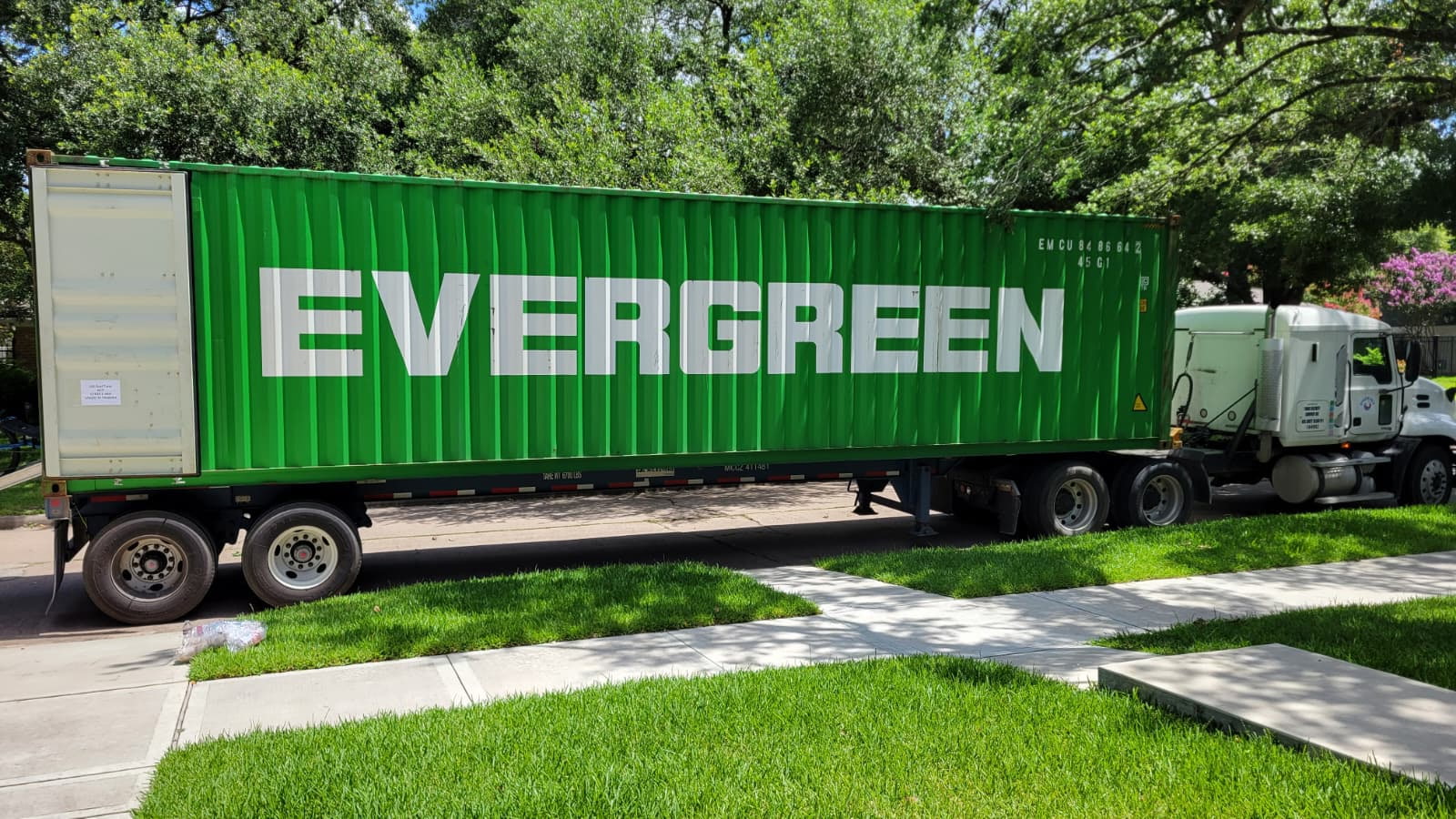
Export packing for international removals
The packing that gets your things across an ocean intact. Sturdier cartons, marine-grade wrap, edge protection, timber crates for fragile items — and a full numbered inventory.
Export Packing
Reviewed by Dimond Movers international ops
Export packing is a different discipline from a domestic house move. Goods that cross oceans have to survive weeks of vibration, temperature swings between -10°C in a UK yard and +45°C in a container in Dubai, humidity, salt air, and multiple lifts by crane, forklift and hand. Cartons that would be fine on a 30-mile local move split open on international loads if they're not the right grade. This page explains what real export packing looks like, what materials to expect, what you pay for, and where the corners get cut by cheap operators.
What export packing actually is
Cartons, wraps, crates and labels engineered for sea, air and road freight — plus a numbered inventory that becomes your customs declaration.
Every international move needs three things from packing: physical survival of the transit, a clean customs inventory, and predictable unloading at destination. Export-grade materials are heavier, better-fitting and better-sealed than the domestic equivalents. Wardrobe cartons have integrated rails and are double-walled. TV cartons have moulded polystyrene inserts sized to the diagonal. Books go in small strong cartons because a large box of books breaks its own bottom. Fragile items are individually paper-wrapped, then bubble-wrapped, then boxed with edge fill.
Every carton is numbered, labelled and photographed as part of a master inventory. That inventory becomes the customs entry, the loading manifest, the destination unloading checklist, and — if you ever claim on insurance — your evidence of what shipped.
Full-pack vs self-pack
You have three options: full export pack (mover packs everything), fragile-only pack (mover packs china, glass, art, TVs; you pack the rest), or self-pack with export materials supplied. Full pack is standard for corporate relocations and for any move to Australia or NZ (biosecurity officers strongly prefer professionally-packed loads). Fragile-only is a good balance for cost-conscious families. Self-pack with materials is cheapest but has real limits — most marine insurers will not cover breakage on customer-packed cartons.
The rule of thumb: anything that's fragile, sentimental, or worth more than the pack cost should be professionally packed. That usually means kitchen glassware, framed art, TVs, mirrors, lamps, ceramics and any antique. The rest — clothes, books, linens, kids' toys — can go in supplied cartons under your control.
- Full export pack: no work for you; full insurance eligibility; +£350–£900 typical
- Fragile-only: best cost/protection balance; mover packs 20–30% of items
- Self-pack with materials: cheapest; insurance limited to structural loss (not breakage)
What a professional pack day looks like
A crew of two to four packers arrives with a van load of materials — flat-pack cartons, tape guns, paper (unprinted, acid-free), bubble roll, corner protectors, mattress bags, wardrobe cartons and TV crates. On a three-bed house the pack takes 1–2 full days. Larger properties or fragile-heavy inventories take 2–3 days.
The crew works room-by-room. Pictures come off walls and are individually corner-protected and bubble-wrapped. Kitchen: every item paper-wrapped, glasses and stemware in cell dividers, plates on their edges never flat. Bedrooms: wardrobes emptied into wardrobe cartons on rails; drawers stay in and taped where possible. Living room: TVs into moulded crates, sofas into stretch wrap and quilted covers, lamps disassembled and wrapped separately. Every carton is sealed, numbered, labelled with room and contents category, and logged into the inventory.
Special items get timber crates: pianos, marble tops, large framed art, chandeliers. Crating is £150–£450 per item and is genuinely required for anything worth over £2,000 crossing an ocean.
Pricing guidance
Export packing is priced per property size (or per hour + materials on smaller jobs). Materials are typically 20–30% of the pack fee.
| Route / option | Price band | Notes |
|---|---|---|
| Studio / 1-bed full pack | £350 – £550 | 0.5–1 day, ~15–25 cartons |
| 2-bed full pack | £550 – £850 | 1–1.5 days, ~30–50 cartons |
| 3-bed full pack | £850 – £1,300 | 1.5–2 days, ~55–90 cartons |
| 4-bed+ full pack | £1,300 – £2,200 | 2–3 days, ~90–150 cartons |
| Fragile-only add-on | £220 – £480 | kitchen, art, TVs only |
| Materials-only supply | £120 – £280 | cartons, tape, paper, bubble |
| Custom timber crate | £150 – £450 per item | pianos, art, marble tops |
ISPM-15 heat-treated timber is standard on any crate that will enter the US, Australia, NZ, Canada or China. It's included in the crate price at reputable movers — always confirm.
How pack quality affects transit outcomes
Insurance claims data across the industry shows about 3–5% of international loads have a claim, and 80% of those claims are on customer-packed cartons. Professionally packed loads see damage roughly one-fifth as often — and when it does happen, the claim is straightforward because the packing quality is documentable.
Biosecurity risk is the other big one. Australian AQIS and NZ MPI officers inspect professionally-packed loads faster and more predictably than mixed-quality loads. A well-labelled, cleanly-packed inventory reads as low-risk; a scruffy self-pack invites full inspection.
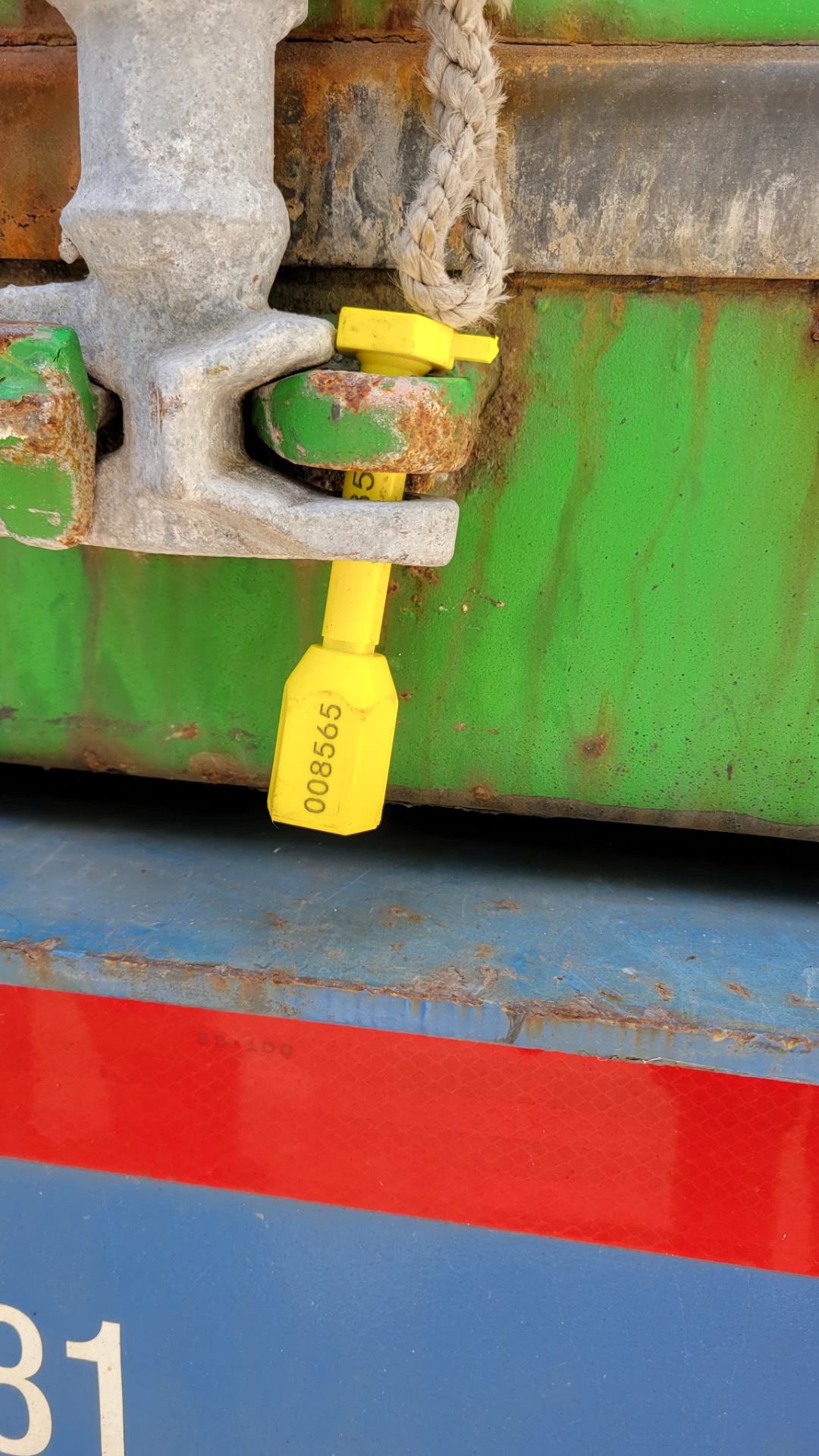
Every load sealed, numbered and photographed
MoveQuoteLocal partners fit a numbered bolt seal at loading, photograph the closed load, and record the seal on your bill of lading or CMR. If the seal is broken anywhere in transit, customs is alerted and you are notified.
The inventory — why it matters beyond packing
The pack-day inventory is not paperwork for its own sake. It becomes: the customs declaration (so it must have realistic values), the loading manifest (so containers can be loaded to plan), the destination check-list (so you know what arrived), the insurance schedule (so claims can be valued), and the delivery sign-off (so damages are logged).
- Numbered cartons and items (every single line)
- Room and category (KIT-GLASS-01, BR2-CLOTHES-04, etc.)
- Condition codes on furniture (SC = scratched, CR = cracked, etc.)
- Estimated value in destination currency
- Photos of any pre-existing damage on high-value items
Packing standards customs actually cares about
Two things customs looks at during packing: prohibited items (are any in the load?) and biosecurity risk (is timber treated, are outdoor items clean?). ISPM-15 heat-treated timber marking on crates is mandatory for US, Canada, Australia, NZ and China entries. Untreated timber is refused at the border and you pay to have it fumigated or destroyed on arrival.
Biosecurity: outdoor equipment, garden tools, camping gear, vacuum cleaners, prams and children's outdoor toys all get scrutinised in Australia and NZ. Clean everything of soil, plant matter and food residue before it's packed. Movers who work these routes brief you on this before pack day.
Insurance and packing — the link
Marine cargo all-risks policies distinguish between owner-packed cartons (OPC) and mover-packed cartons (MPC). MPC cover breakage inside the carton; OPC generally do not — you're only covered for structural loss (theft, total loss of the carton, water damage that soaks the whole box). If you self-pack, be honest with yourself about which items would upset you if broken and let the mover pack those.
Frequently asked questions
+Can I use my own boxes?
You can, but marine insurers will apply the owner-packed carton exclusion and your mover may decline to load cartons they consider substandard. Supermarket boxes with printing on them are often refused at destinations that check for pest risk. Buy proper export cartons even if you pack yourself.
+Do I need to empty my drawers?
For dressers, wardrobes and filing cabinets: no, provided the contents are soft (clothes, linens) and the drawer is taped shut. For anything with heavy or hard contents: yes, empty and pack separately. Chest of drawers with books inside will break in transit.
+Are white goods packed?
Fridges, freezers, washing machines and dishwashers are wrapped in export blankets but not boxed. Contents must be removed and drained. Transit brackets fitted where possible. Many movers advise selling white goods and buying new at destination — freight often costs more than the appliance.
+How is a piano packed?
Upright pianos: quilted blanket wrap, timber crate on wheels, lifted by piano trolley. Grand pianos: legs and lyre removed, main body on custom skid, crated separately. Piano packing is a specialist £300–£800 add-on.
+What about paintings and art?
Each piece corner-protected, bubble-wrapped, then either boxed (small) or crated (large / valuable). Glass fronts get low-tack tape 'star pattern' before wrapping to hold the glass if it cracks in transit.
+Do you pack food and alcohol?
Sealed dry goods yes, subject to destination biosecurity limits. Fresh food, home-frozen items, opened perishables: no. Alcohol: personal-use quantities only, declared at customs; many countries limit duty-free entry to 1–2 litres of spirits per adult.
Ready to move? Get vetted international quotes.
Answer a few questions and MoveQuoteLocal international partners will quote your export packing move — dedicated, shared, customs included.